Driver Who Was Sentenced to 18 Months in Fatal Catonsville DUI Crash Released After Two Weeks In Jail
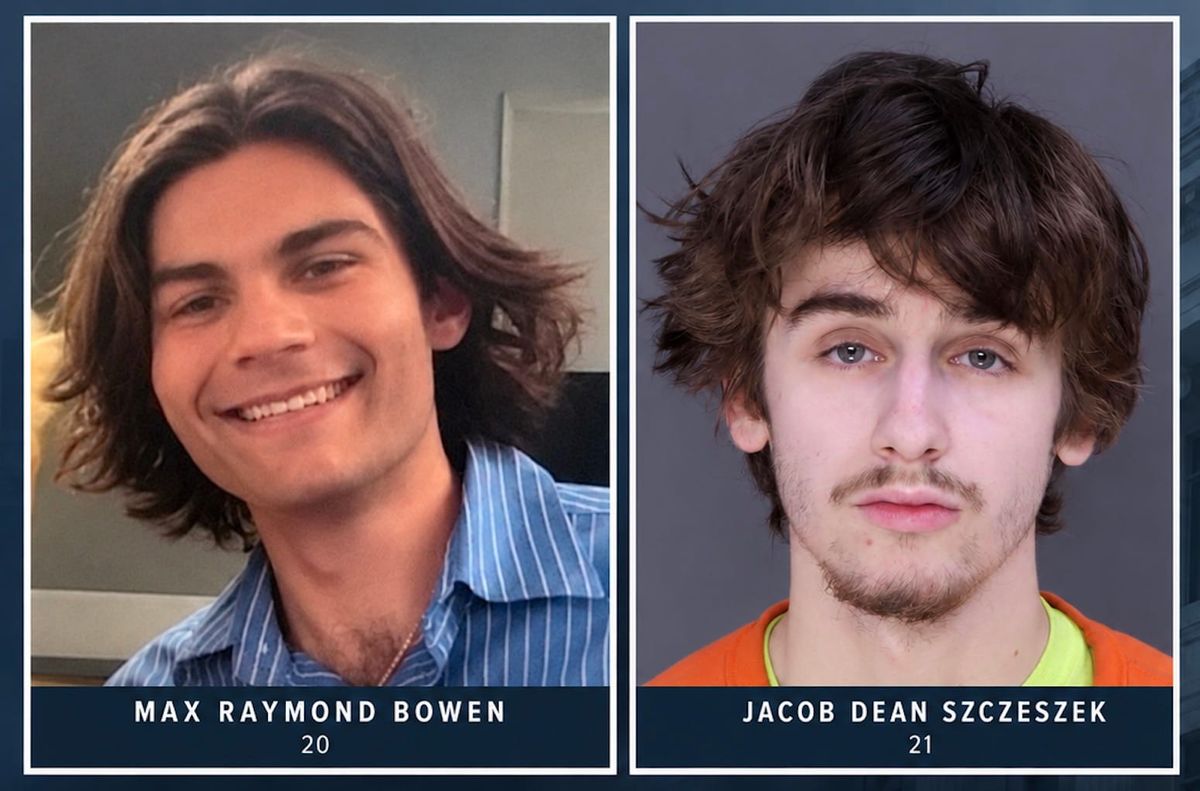
A Halethorpe man sentenced to 18 months in jail for a drunken-driving crash that killed his best friend was released after serving 15 days behind bars, after receiving credit for time spent on home detention that he had agreed to waive as part of his plea deal.
On Sept. 29, Baltimore County Circuit Judge Evelyn Cusson sentenced Jacob Dean Szczeszek to 10 years in prison but suspended all but 18 months, which he was ordered to serve at the Baltimore County Detention Center.
Szczeszek, 21, pleaded guilty to felony negligent vehicular manslaughter in the Jan. 13, 2025, crash that killed his passenger, 20-year-old Max Raymond Bowen.
Szczeszek was driving 95 mph on Frederick Road in Catonsville shortly before losing control of his Chevrolet pickup truck. The truck slammed into a retaining wall on the passenger side, ejecting Bowen.
A forensic toxicologist estimated that Szczeszek's blood alcohol concentration was between 0.18% and 0.20% an hour after the crash — more than twice the legal limit for drivers 21 and older. Szczeszek was 19 at the time.
Neither man was wearing a seat belt. Bowen was pronounced dead at the scene. Szczeszek was partially ejected and suffered serious injuries. He was treated at the University of Maryland Shock Trauma Center.
A Baltimore County grand jury indicted Szczeszek on Sept. 22, 2025, and a warrant was issued for his arrest. On Oct. 15, 2025, he was placed on pretrial home detention with electronic monitoring, allowing him to remain at home while awaiting resolution of his case.
In July, as part of his plea agreement, Szczeszek agreed to waive any credit he had accrued for time spent on home detention while awaiting trial. At the time, Cusson asked the attorneys whether it was possible to waive those credits. Both said it was.
But the waiver was not discussed during Szczeszek's Sept. 29 sentencing hearing, and Cusson specifically awarded him credit for the time he had spent on pretrial home detention, according to a subsequent court filing by prosecutors.
The credit, calculated from Oct. 15, 2025, resulted in Szczeszek's release from the Baltimore County Detention Center on Oct. 14, 2026, 15 days after he was sentenced to serve 18 months.
Cusson also ordered Szczeszek to serve three years of supervised probation following his release. The conditions prohibit him from driving for one year and from consuming alcohol, using illegal drugs or abusing prescription medication. He must undergo drug and alcohol evaluation, treatment and testing, and attend a Mothers Against Drunk Driving victim-impact panel.
Szczeszek was also ordered to pay $24,791.92 in restitution to Bowen's family.
Following Szczeszek's release, his defense attorney, Joe Murtha, filed a motion on Oct. 28 asking the court to preserve his client's right to seek a sentence modification in the future.
Murtha wrote that Szczeszek hopes to demonstrate his "redemption and reformation" and show that he deserves the court's consideration at a later date.
The motion does not seek an immediate change to the sentence. Instead, Murtha asked Cusson to hold it pending until he files an amended motion requesting a hearing.
Assistant State's Attorney Felise Kelly opposed the request, asking Cusson to deny the motion outright rather than leave open the possibility of a future modification.
In her Oct. 30 response, Kelly noted that Bowen's parents had addressed the court at sentencing and that the judge had received numerous written victim-impact statements.
“The Bowen family and Max’s friends have been devastated by his death,” Kelly wrote. “The devastation was amplified by the Defendant’s release from incarceration approximately two weeks after they appeared in Court for sentencing in this matter.”
She wrote that any future court appearances “will again lay bare the pain and grief suffered by the friends and family of Max Bowen.”
Kelly also emphasized the importance of Szczeszek's probation conditions, writing that they are necessary to help ensure his sobriety and protect public safety.
The sentencing guidelines in the case called for a term of incarceration ranging from three months to four years.
“The sentence imposed on September 29, 2026, should not be further altered or modified,” Kelly wrote.
No hearing date has been set for the motion.