Drunk Driver Sentenced to One Year in Jail for Fiery Woodlawn Crash That Killed Father
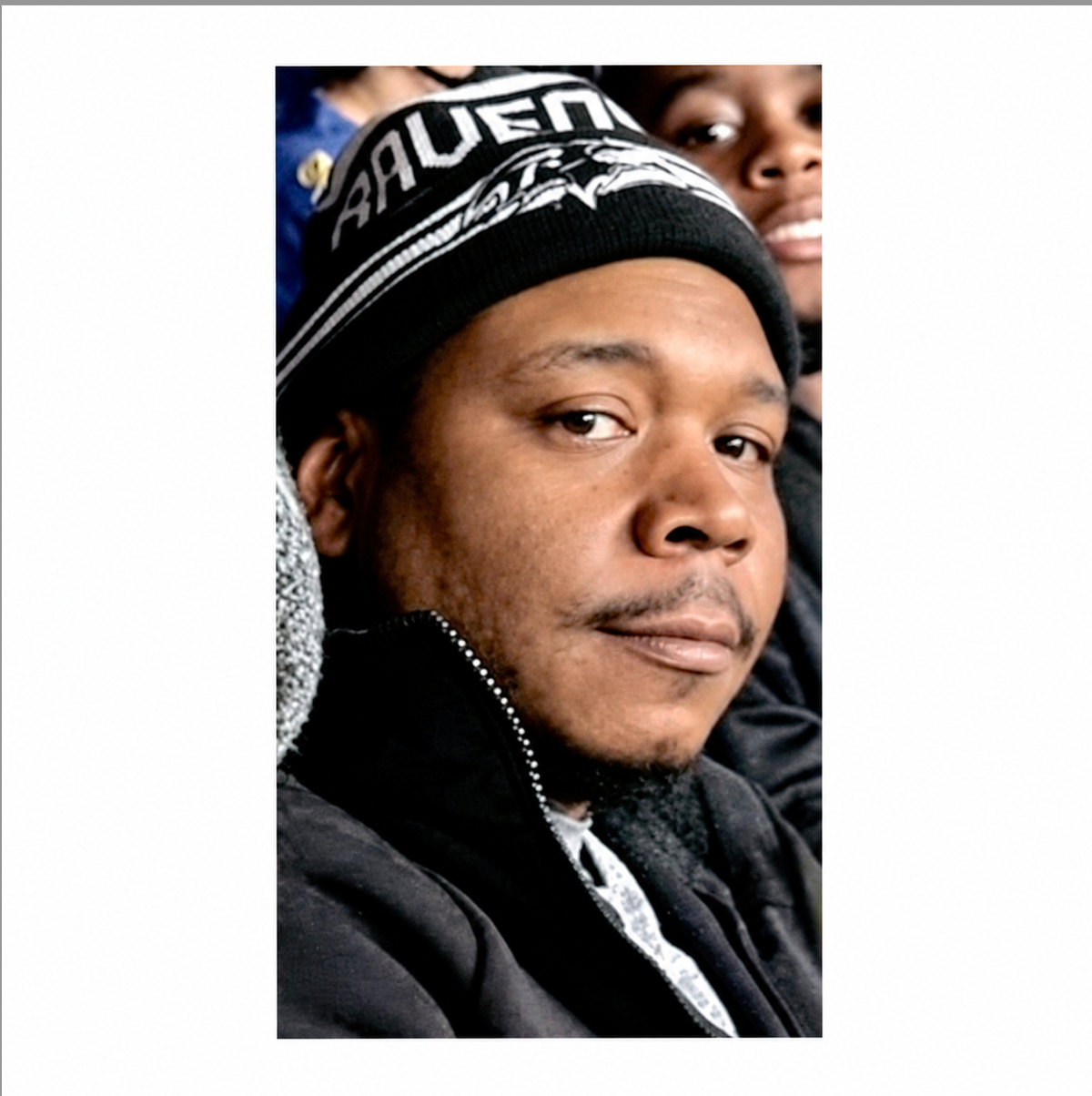
A driver who turned left against a red arrow while intoxicated, causing a fiery crash that killed a 39-year-old father in Woodlawn, was sentenced Monday to one year in the Baltimore County Detention Center.
Jose Vasquez-Bautista, 47, of Catonsville, pleaded guilty to felony homicide by motor vehicle while under the influence of alcohol in the Nov. 8, 2025, crash that killed Alexis Robert Williams, who was two days shy of his 40th birthday.
Baltimore County Circuit Judge Judith C. Ensor sentenced Vasquez-Bautista to four years and 11 months, suspending all but one year, followed by three years of supervised probation.
The crash occurred about 10:40 p.m. as Vasquez-Bautista drove a 2022 Toyota pickup west on Security Boulevard and turned left onto Woodlawn Drive against a red turn arrow.
His pickup struck a 2014 Ford E-350 van driven by Williams, who was traveling east on Security Boulevard. The van struck a pole, overturned and caught fire. Neither driver was wearing a seat belt, according to police.
Williams died at the scene. Vasquez-Bautista was seriously injured and spent 10 days at the University of Maryland Shock Trauma Center, followed by four months of rehabilitation therapy, according to his attorney, Leonard Shapiro.
A blood test taken approximately an hour after the crash showed Vasquez-Bautista had a blood alcohol concentration between .23% and .25% — roughly three times Maryland's .08% legal threshold for driving under the influence.
Vasquez-Bautista had no prior criminal convictions, but he had a significant history of traffic offenses, including drunken-driving cases in 2003 and 2018. He received probation before judgment in both cases and had been cited multiple times for speeding and other traffic violations, according to the prosecutor.
Assistant State's Attorney Felise Kelly had recommended a five-year sentence with all but 18 months suspended.
Kelly acknowledged that Vasquez-Bautista had built a successful career and was regarded as a devoted family man, but said his driving conduct was very different.
“When he is behind the wheel of his car, he is an absolute menace to the community,” Kelly told the court.
Kelly said Vasquez-Bautista's extremely high blood alcohol concentration was a level that could render many people unconscious.
“That is very, very drunk … that is a sign of a true alcoholic,” she said.
Investigators determined that Vasquez-Bautista slowed as he approached the intersection but failed to stop before turning against the red arrow.
Police found him at fault for the crash because he failed to obey the traffic signal, identifying his impairment as a possible contributing factor.
Kelly also told the court that Williams had a blood alcohol concentration was .12%, and toxicology testing detected delta-9 THC in his system. Investigators determined he was traveling approximately 69 mph in a 35 mph zone.
Williams' speed and impairment were also identified as possible contributing factors to the crash.
Williams' mother, Lisa Dameron, and his aunt described the devastating impact of his death on their family, particularly his young daughter, who was 9 at the time.
Dameron told the judge that Williams was her only child. She said his daughter will never have her father at the special moments of her life, like prom and graduation, and she will never get the benefit of her father's guidance.
"My son would have been the man to show her what life is really about," Dameron said, "the challenges, barriers and overcoming anything, and anything that she would like to do."
Williams was his daughter's custodial parent. Family members said the girl's loss was compounded by a custody dispute following her father's death, forcing her to move and change schools. Dameron regained custody of her granddaughter after nearly a year.
Known to family and friends as “Ace” or “Al,” Williams had worked for 10 years at Second Chance LLC, a Baltimore-based organization, where he rose to warehouse assistant manager, according to his obituary.
Williams enjoyed traveling, cheering for the Baltimore Ravens, playing video games and considered himself a "foodie," according to his obituary. His aunt said he was the main chef for an annual gathering of hundreds of motorcyclists, an event organized by his childhood friend.
Williams' aunt remembered him as someone who was good with his hands, frequently taking on home improvement projects and helping a cousin with his lawn care business.
Addressing Williams' family in court, Vasquez-Bautista tearfully apologized.
“I am so sorry for what happened and the pain that this accident caused your family,” he said.
He said he took “complete responsibility without looking for excuses.”
Shapiro described his client as a lawful permanent resident who immigrated from El Salvador in 1999 and built a successful life in the United States.
Vasquez-Bautista had worked for Schuster Concrete for approximately 14 years and served as a superintendent overseeing major construction projects. The company's owner described him as an outstanding employee who supervised between 80 and 200 workers, depending on the project.
Shapiro said his client was deeply religious and had sought guidance from his church. He suggested that cultural expectations surrounding masculinity may have contributed to Vasquez-Bautista's reluctance to recognize the seriousness of his alcohol abuse.
According to Shapiro, Vasquez-Bautista had attended Alcoholics Anonymous but did not seek other treatment until June 2026.
Shapiro asked Ensor to impose a sentence of less than five years, saying it could improve his client's ability to contest potential deportation proceedings.
Vasquez-Bautista's employer paid $18,375 in court-ordered restitution to Williams' family.
Vasquez-Bautista had been on pretrial home detention. As part of his plea agreement, he waived credit for time spent on home detention.
He will serve his sentence in the Baltimore County Detention Center rather than a state correctional facility.