Former Juvenile Justice Worker Sentenced to 10 Years for Sexually Abusing 11 Boys
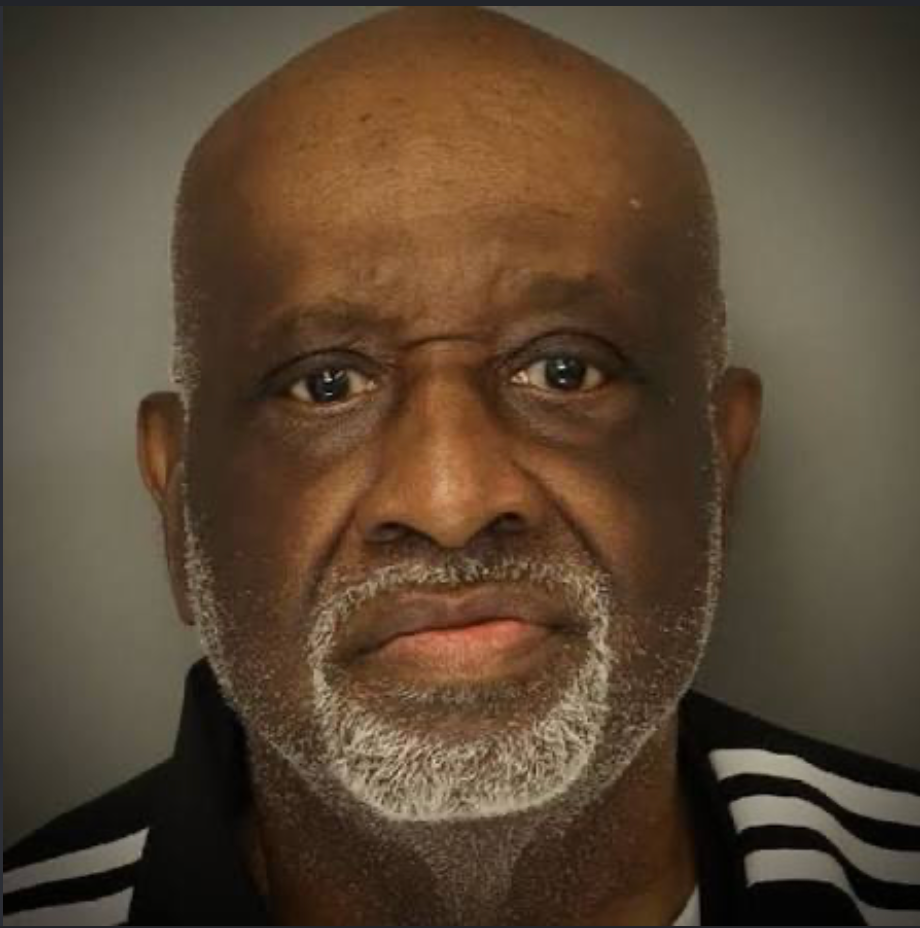
Judge Robert Cahill remembers wondering years ago how Earl Cousins had ended up before him. Cousins was smart, articulate and charismatic — a man Cahill believed could have succeeded in any number of fields. Instead, in 2016, Cahill sentenced him to life in prison for armed robbery.
On Tuesday, after hearing Cousins describe the lasting impact of being sexually abused as a child by Ronald Neverdon, then a staff member at a Baltimore County juvenile justice facility, Cahill said he better understood the path Cousins’ life had taken.
“Conduct like this perpetrated upon young people changes the trajectory of their lives in significant ways,” Cahill said. “Particularly with regard to the trust that they have in other human souls. How can you trust anybody at that age when you’ve been taken advantage of in such a horrible way?”
Cousins, 63, who remains incarcerated, appeared Tuesday at Neverdon’s sentencing hearing. He and another victim, Glenn Green, told the court about the life-altering consequences of the abuse they suffered as children at the hands of Neverdon. Both men described experiencing drug addiction, relationship problems, and unstable adult lives.
Neverdon, 80, of Woodstock, worked from 1973 to 2013 at what was then known as the Maryland Training School for Boys, which was renamed the Charles H. Hickey Jr. School in 1985.
Prosecutors said Neverdon repeatedly raped and sexually abused boys he was supposed to guide and protect.
Neverdon pleaded guilty in August to 11 counts of child sexual abuse, and the prosecution agreed to seek no more than a ten-year prison sentence. Neverdon’s attorney, Tony Garcia, asked that his client be allowed to serve his sentence on home detention. Cahill sentenced Neverdon to 10 years in prison.
“You destroyed my life,” Cousins told Neverdon. “And what you took from me, I can never get back. It’s like murder. When you kill somebody, you can’t give them their life back. When you rape a child, you can’t give them their childhood back.”
Prosecutor John Magee said Neverdon treated the school “as his personal depraved sexual playground,” preying on vulnerable boys who had no choice but to be in his presence.
“It was clear that he did not see them as human,” Magee said. “He saw them as essentially his toys that he could do what he wanted to do with.”
Charging documents detail how Neverdon told some boys he could help them get home if they cooperated with his sexual demands. The assaults occurred in various areas of the school, including Neverdon’s office, the shower room and the locker room.
“He tortured them,” Magee said. “He brutalized them over the course of several years. He used coercion. He used threats. He used their separation from their families as a tool against them.”
Green, another of Neverdon’s victims, told Cahill that Neverdon did “unspeakable things” to him 57 years ago after first gaining his trust.
Green said he was sent to the school when he was nine for truancy, theft and running away from home.
“I didn’t do anything to deserve such aggression, to be betrayed by someone who was supposed to have my best interests at heart,” Green said.
The abuse left him unable to trust others and contributed to a lifelong inability to maintain stable relationships, Green said — “all as a result of the impact of what was done to me as a child.”
Green said he has forgiven Neverdon and feels empathy for him facing sentencing at this stage of his life. He said he did not want Neverdon sent to prison but believed he should be held accountable in some way.
Both Green and Cousins chose to use their names publicly rather than testify anonymously.
The police investigation into Neverdon began in April 2024, when a Baltimore County Police detective was contacted by an attorney representing a group of adult men who said Neverdon had sexually assaulted them while they were at the school at 9700 Old Harford Road.
A civil lawsuit remains pending in Baltimore Circuit Court against the state of Maryland and the Maryland Department of Juvenile Services on behalf of 69 alleged victims.
Neverdon was arrested in March, 2025 and released on pre-trial home dentention the following month.
Garcia advised Neverdon not to make a statement Tuesday because of the pending civil litigation. He asked Cahill to allow Neverdon to serve his sentence on home detention, citing his age and poor health.
Neverdon’s pastor told Cahill that Neverdon has been an outstanding parishioner for decades, tithing and working to help others.
Several of Neverdon’s 12 siblings submitted a statement asking Cahill to consider the contributions he has made to his family and community.
They asked for a “fair and appropriate sentence” that would recognize “the seriousness of this matter and the need for accountability” without incarceration, allowing Neverdon to continue receiving treatment for multiple medical conditions.
Cahill said the abuse spanned nearly two decades and involved vulnerable boys whom he and other judges sent to the school in hopes that they could rebuild and redirect their lives after encounters with the juvenile justice system.
“And instead … they were preyed upon, victimized and abused in the most profound ways,” Cahill said. “‘Monstrous’ is not too difficult a word to use here.”