Second Trial Ends in Hung Jury for Man Accused of Setting Fatal Baltimore County Apartment Fire

For the second time in a year, a Baltimore County jury has been unable to reach a unanimous verdict in the case of a Baltimore man accused of setting an apartment building fire that killed his ex-girlfriend’s neighbor.
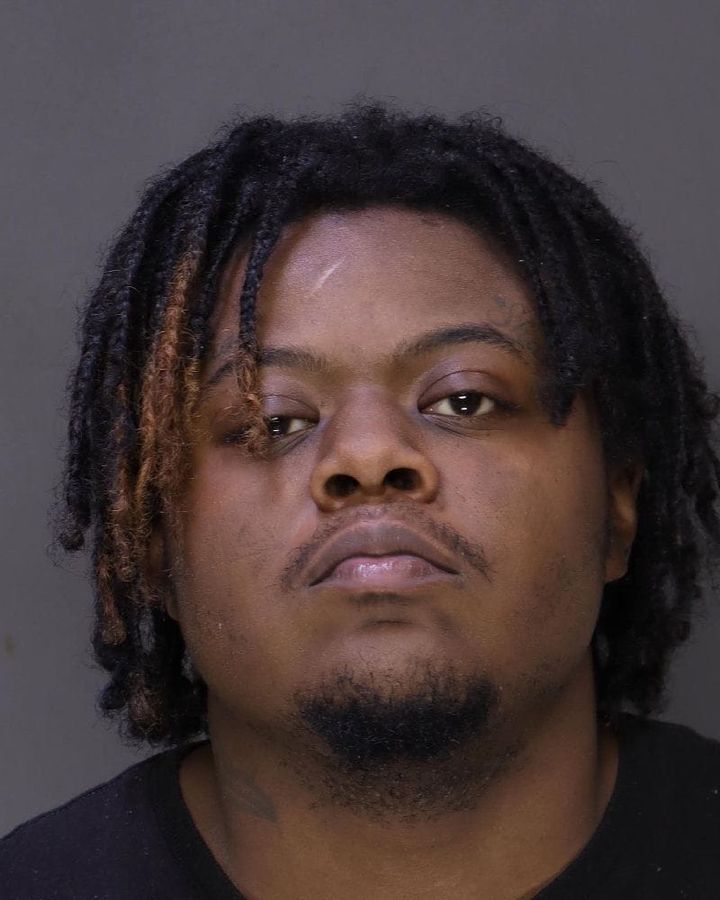
Dana Hunt, 45, is accused of setting the Aug. 25, 2024, fire at the Loch Raven Village apartments on Greenway Road that killed 43-year-old René Lorenzo Trejo.
Trejo lived with his family in an apartment next door to Hunt’s ex-girlfriend, who was not home when the fire started.
Trejo managed to awaken his family and alert them to the blaze. His wife and children escaped, but Trejo died from smoke inhalation and burns, according to the medical examiner.
Hunt’s second trial last week ended the same way as his first trial in November 2025 — with a hung jury and a mistrial.
Jurors began deliberating Thursday after five days of testimony. On Friday, after the jury had failed to reach a unanimous verdict, Circuit Judge Patricia DeMaio declared another mistrial.
Defense attorney J. Wyndall Gordon wrote on social media that the jury was split 9-3 in favor of conviction. He said the jury in the first trial had been split 11-1, also in favor of conviction.
Hunt is still facing charges of murder, arson, stalking, and reckless endangerment. He remains in custody at the Baltimore County Detention Center. Baltimore County State's Attorney Scott Shellenberger said his office does plan to try the case a third time.
Prosecutors alleged that Hunt had been stalking his ex-girlfriend and secretly placed GPS trackers on a car she drove. The woman testified that she had moved twice in an effort to escape Hunt’s harassment.
The night before the fire, Hunt allegedly appeared at an IHOP where his ex-girlfriend and a friend were eating. The encounter alarmed the women enough that they called police.
Investigators believe the following night, Hunt ignited a trail of gasoline leading up the building’s stairs to his ex-girlfriend’s second-floor apartment door.
When a police detective interviewed Hunt, he saw burn injuries on Hunt's arm, calf and ankles. The defense maintained that the injuries resulted from a dirt bike accident.
Prosecutors said surveillance video of a vehicle associated with Hunt showed he was in the general area before and after the fire was believed to have been set. Investigators detected accelerant in fire debris recovered from the building’s stairwell, and prosecutors said traces of an ignitable liquid was found on items inside a vehicle Hunt had driven. A wig found in the car's trunk also had areas that appeared to be melted or singed, according to the prosecution.
Gordon challenged the state’s evidence, arguing that prosecutors had failed to prove Hunt’s guilt beyond a reasonable doubt. In his social media post, Gordon characterized the case as entirely circumstantial and argued that prosecutors had failed to establish a sufficient connection to support a murder conviction.