Essex Man Convicted of Murder, Attempted Murder After Jury Deliberates Less Than Two Hours
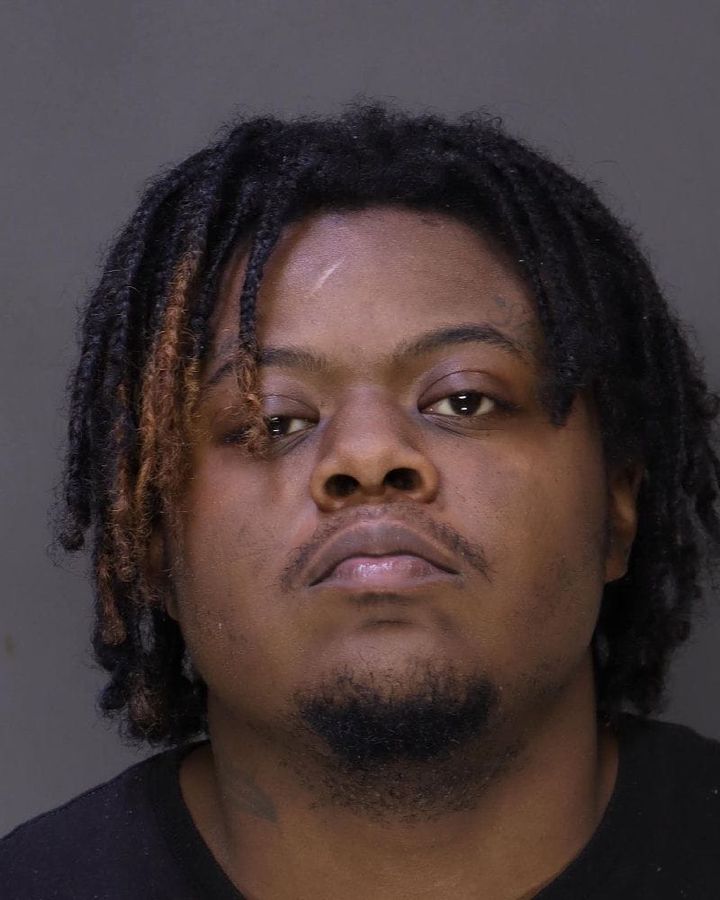
A Baltimore County jury found Travell Allen guilty of murder and attempted murder Thursday after deliberating for less than two hours.
The verdict followed four days of testimony about the daytime shooting on Glenwood Road in Essex that killed 22-year-old Philip Pasingda and wounded another man.
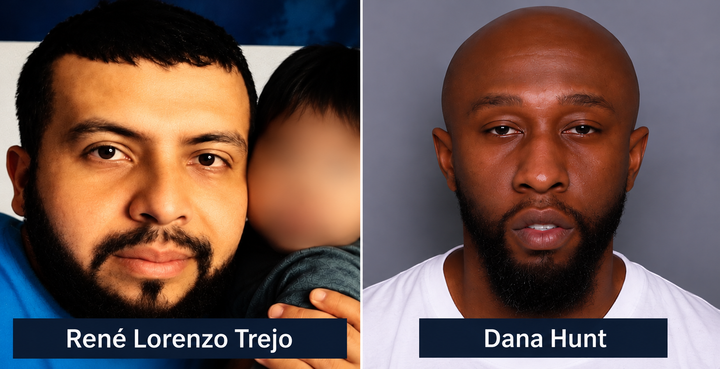
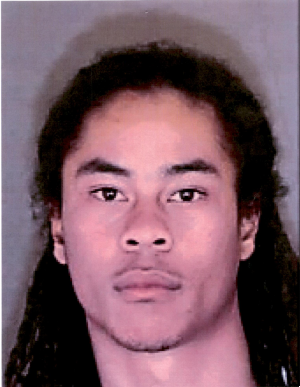
Allen, 27, of the 2600 block of South Marlyn Avenue, was the last of three men charged in the Nov. 22, 2023, killing to go to trial. His co-conspirators, Anthony Dwight Richardson and Xavier Nettles, were previously tried and convicted. Both are serving life sentences for murder and other offenses related to the crime. Nettles and Richardson both have appealed their convictions.
Prosecutors said the three men worked as a team to ambush Pasingda and his companion, firing 37 bullets in about five seconds.
The Baltimore County State's Attorney's office said the jury found Allen guilty of first-degree murder, conspiracy to commit first-degree murder, attempted first-degree murder and two related firearms offenses. He was acquitted of conspiring to murder the surviving victim.
The surviving victim told police that he and Pasingda were walking together when two men jumped from an older silver Honda Accord with tinted windows and opened fire with handguns that sounded fully automatic. Prosecutors believe Allen and Nettles were the shooters and Richardson was the driver.
Allen did not testify, and the defense called no witnesses.
When questioned by police, Allen denied knowing his co-defendants or being in the area at the time of the shooting. Investigators later found numerous photos of the three men together.
Allen also told police he did not have an Instagram or Facebook account. Investigators later discovered an account belonging to him that contained photos of 9 mm and .40-caliber Glock handguns equipped with “switches,” devices that allow semi-automatic handguns to fire fully automatically.
Allen denied knowing about the shooting, but investigators found searches about the murder in his cellphone data that had been conducted and deleted weeks after the crime.
Jurors were shown multiple photos and videos of Allen and his co-defendants posing and dancing with guns in the days before and after the shooting.
Investigators found 9 mm and .40-caliber shell casings at the murder scene, the same calibers as two of the guns Allen was seen holding in photos and videos. A 9 mm Glock was later recovered by Baltimore City police and identified by a serial number that was visible in Allen's photos.
Defense attorney Roya Hanna told jurors during closing arguments that investigators failed to follow up on numerous potential leads because they did not fit the police theory of the case. She argued that the investigation relied on assumptions unsupported by evidence.
“The State still has not proven one shred of evidence that Mr. Allen knew what was going to happen that day, let alone that he was there,” Hanna said.
Assistant State’s Attorney John Magee walked jurors through a detailed timeline that he said was supported by cellphone location data, surveillance footage of Richardson’s car and the surviving victim’s account. He argued that the three men acted in concert.
“He was part of the team,” Magee said. “He’s at his home. They come pick him up. They drive and commit the murder and the attempted murder, and then they go back to his co-conspirator’s home in Baltimore City.”
Hanna emphasized that investigators never established a motive or a connection between Pasingda and the men accused of killing him. She also argued that police could not definitively establish that the guns Allen was seen holding in photos and videos were the weapons used in the shooting.
The only connection investigators found between the victims and the three defendants was a Telegram contact in Allen’s cellphone for Pasingda’s brother.
“We still have that huge gap, that huge absence of motive that has never been answered, ever,” Hanna said. “Nobody has suggested why this happened. Nobody has suggested that there was some sort of beef with [the surviving victim] or Mr. Pasingda. Nothing.”
The surviving victim took the stand but declined to provide substantive answers to questions from either side, repeatedly saying he did not know or could not remember what happened that day or who was involved.
Prosecutors then played audio of an interview he gave police from the hospital on Thanksgiving Day, the day after the shooting. In that interview, he said he saw the Honda pull up and two people get out — one from the front passenger seat and another from the rear passenger seat — before the shooting began.
Pasingda was struck eight times. His companion was also shot multiple times but survived.
A nearby business surveillance system equipped with a license plate reader captured the Honda’s yellow Virginia “Don’t Tread on Me” license plate. Investigators traced the car to Richardson.
Cellphone records showed Richardson’s and Nettles’ phones traveling together from Baltimore City toward Allen’s home on South Marlyn Avenue, then heading back in the opposite direction about 10 minutes later. Prosecutors said Richardson, Nettles and Allen then traveled together to Glenwood Road, where Pasingda was killed, before returning to Baltimore City.
Allen will be sentenced at a later date.